


Castle Grounds Main Loop Walk
A gentle 45-minute circuit through manicured gardens, woodland areas, and historic grounds. Perfect for those seeking a shorter walk with plenty of seating and shade.
A stunning 6km clifftop route with breathtaking ocean views, accessible rest points, and some of the most dramatic coastal scenery in the region. Perfect for a leisurely half-day exploration.

You'll find something special about walking along the clifftop. There's an openness to it — the sky stretches wide, the air's cleaner, and the views genuinely take your breath away. We're talking about a route that's been carefully maintained for walkers like you, with proper pathways, sturdy railings where needed, and benches positioned at the best viewpoints.
The 6km circuit takes about 2 to 2.5 hours at a comfortable pace. That's not rushing. You'll have time to stop, sit, watch the seabirds, and actually absorb the landscape rather than just passing through it. Most sections are gently rolling — there's no steep climbing, but you will notice the elevation changes keep your legs engaged.
The walk begins at the main car park near the visitor centre. From there, you'll head north along the marked clifftop path. The first 1.5km is relatively sheltered — you're walking through a mix of open grassland and wind-sculpted hawthorn trees that'll remind you how exposed this coast really is.
Around the 2km mark, you'll reach Seabird Point. Don't rush this section. There's a viewing platform with information boards about the local birds — razorbills, guillemots, and if you're lucky, puffins from April onwards. There's also a proper bench here, ideal if you want to settle in with a cup of tea from your flask.
The middle section (2-4km) is the most dramatic. The cliffs get higher, the views more expansive. You're looking out at maybe 30-40 metres of sheer drop, but the path stays well back and is wide enough that you'll never feel exposed or squeezed. Several spots have interpretation panels explaining the geology — it's sandstone and mudstone, carved by water and weather over millions of years.
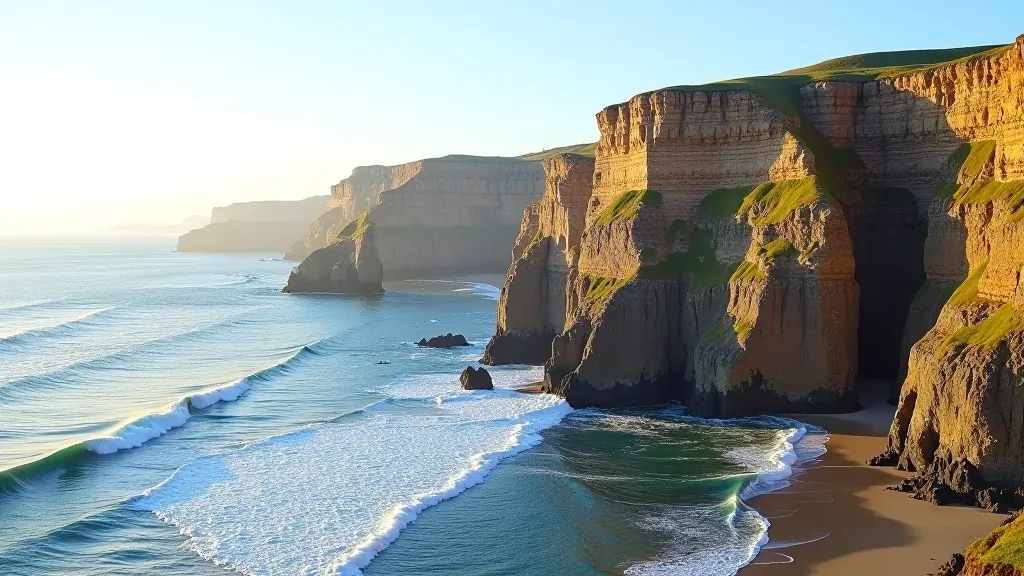
Located at 2km, this is where you'll spot puffins, razorbills, and guillemots nesting on the cliff face. The platform's at a perfect height for photography without disturbing the birds.
This bench faces south across the bay. On clear days you'll see the mainland 15km away. It's the perfect spot to pause and take in the scale of the landscape.
Around 4.5km, you'll pass the ruins of an 18th-century beacon tower. It's not much more than foundations now, but there's a sign explaining its history guiding ships safely past the rocks.
A safe stepped pathway leads down to a protected cove where you can reach the shoreline. Perfect for collecting shells or simply getting closer to the water without any risk.
This guide is provided for informational purposes to help you plan your walk safely. Weather conditions change rapidly on coastal paths — always check the forecast before you go. Wear appropriate footwear with good grip, bring water, and tell someone where you're headed. The path can be slippery after rain. If you have mobility concerns or health conditions, it's worth chatting with your GP about suitability for this walk. This information doesn't replace local guidance — ask at the visitor centre for the most current conditions and any recent path closures.
Start early if you can — that means you'll have the best light for photos and fewer people on the path. The morning air's cleaner too. Bring more water than you think you'll need. A litre bottle's a minimum, especially on warmer days when the exposed sections offer no shade.
Wear layers. The coast's deceptive — it can feel calm in town but windy up on the cliffs. A windproof jacket's essential even when it looks calm. Sunscreen matters here too, since the light bounces off the water and you're getting exposed from below as well as above.
Best times to visit? Spring (April-May) for wildflowers and nesting birds. Summer's busy but the days are longest. Autumn (September-October) brings clearer air and fewer visitors. Winter's dramatic but can be windy — check conditions before you commit.


Around 4.5km, the path begins to curve inland slightly. You're leaving the most dramatic cliff sections now, but the views don't diminish — they just change. Instead of sheer drops, you're looking at rolling coastal grassland with wildflowers (depending on season).
The final 1.5km is gentler and takes you back towards the visitor centre. Your legs will appreciate this — they've done proper work over the past couple of hours. There's a café at the end if you want to refuel with proper food rather than just snacks. Their homemade soup's particularly good on cooler days.
Total time on your feet is usually 2-2.5 hours of actual walking. Add another 30-45 minutes if you're stopping regularly for photos and views — which you absolutely should. This isn't a fitness challenge. It's about experiencing a genuinely beautiful stretch of coast at a pace that lets you actually absorb it.
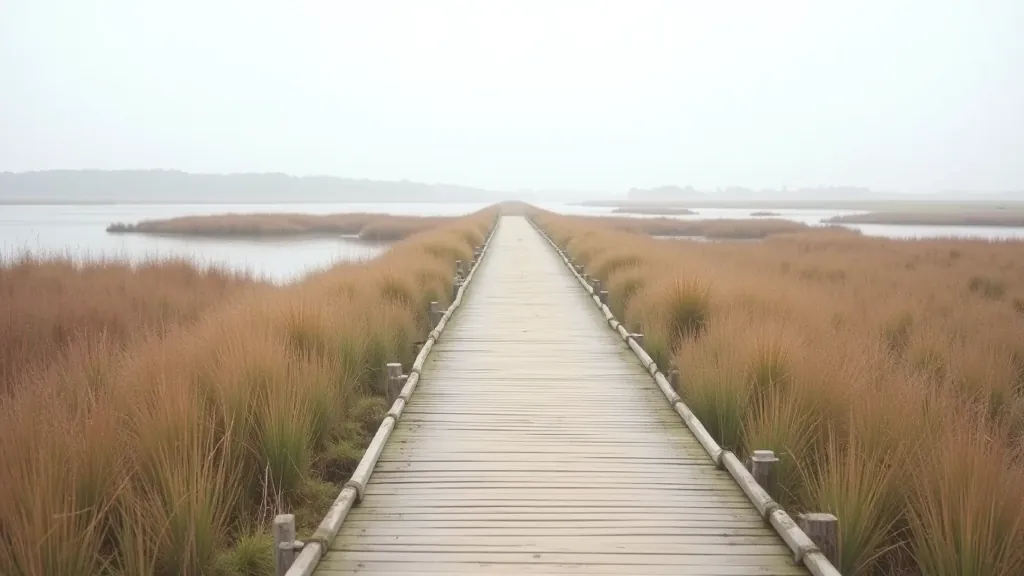

This coastal cliff path delivers something you can't get from photos or videos. You'll feel the wind, smell the salt air, and have those moments where you just stop and stare at something genuinely beautiful. The 6km circuit is perfectly paced — not too demanding, but substantial enough that you'll feel like you've done something meaningful.
Whether you go for the seabirds, the views, the sense of achievement, or just because you need to be outside on a decent day, this route delivers. Come prepared, take your time, and don't miss the benches — they're placed exactly where you'll want to sit.