Castle Grounds Main Loop Walk
A gentle 45-minute circuit through manicured gardens, woodland areas, and historic outbuildings. Perfect for those wanting a shorter walk with fewer steep sections.
Explore centuries of heritage on a leisurely 90-minute journey through manicured landscapes and historic structures
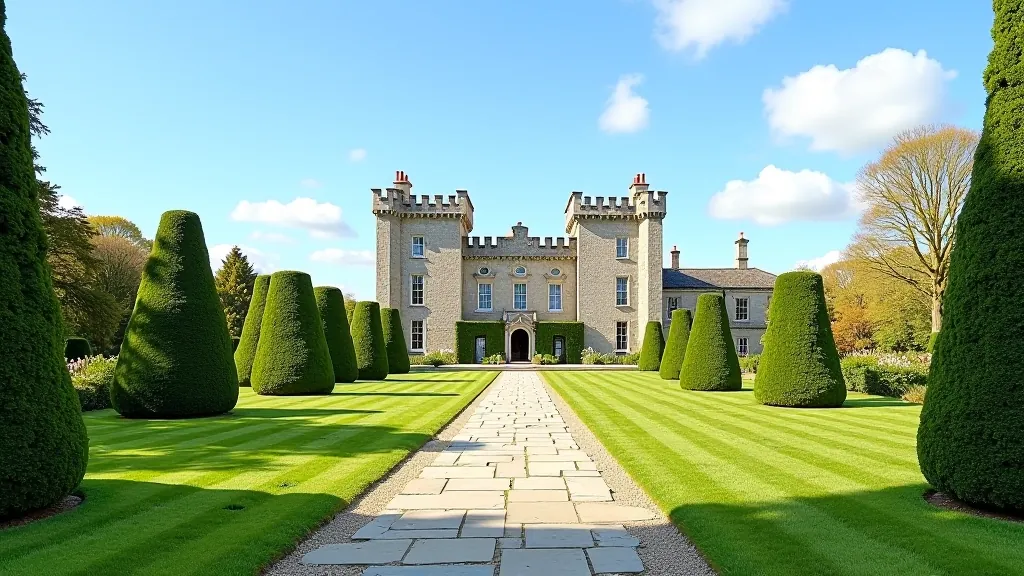
Walking through castle grounds isn't just exercise — it's stepping into stories that span centuries. You're treading paths where medieval inhabitants once walked, admiring gardens that've been carefully tended for generations. The castle itself tells you about architecture, design, and the people who shaped the landscape around it.
This route works perfectly for mature walkers who want a manageable pace without skipping the good parts. We're not rushing. You'll stop when something catches your eye, read the plaques, sit on benches, and actually absorb what you're seeing. That's the whole point.
Stone fortifications, Gothic windows, and period details that show how buildings evolved
Centuries-old trees, formal gardens, and plant collections arranged with real intention
Detailed plaques explaining the history, heritage, and significance of each section
You'll start at the castle itself — and it's impossible to miss. The main structure dates back to the medieval period, though it's been modified and expanded over the centuries. That's actually fascinating because you can see the different construction styles layered on top of each other.
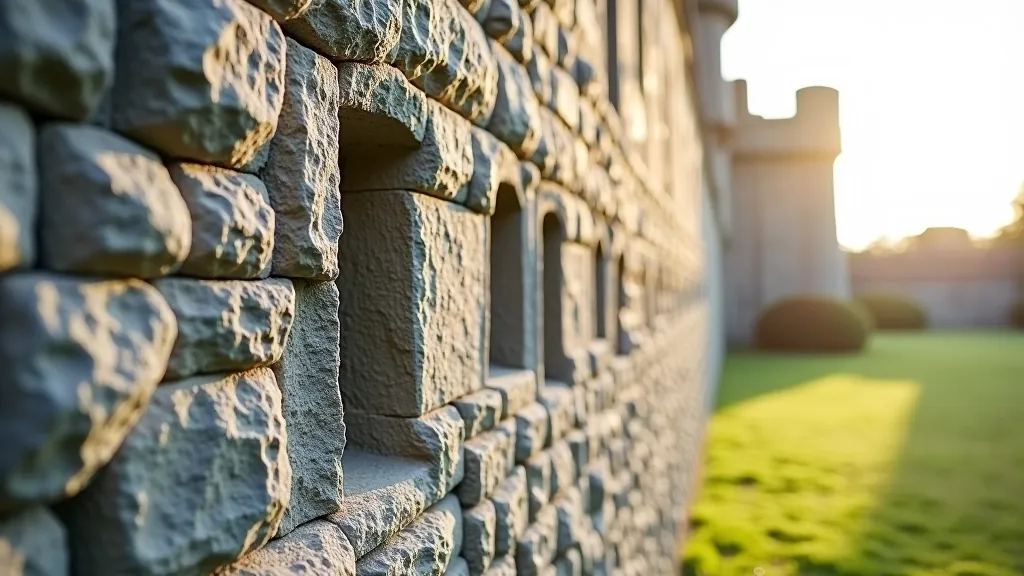
The outer walls are what people notice first. They're built from local stone that's weathered beautifully over time. You'll spot arrow slits, crenellations along the top, and various window styles from different periods. Don't rush past this section. Walk around the perimeter slowly — it's roughly a 10-minute circuit just taking in the stonework.
There's a visitors' center at the entrance with exhibits that explain the castle's history. It's worth spending 15-20 minutes in there if you want the full context. The staff know their stuff and can answer specific questions about architectural details or historical events.
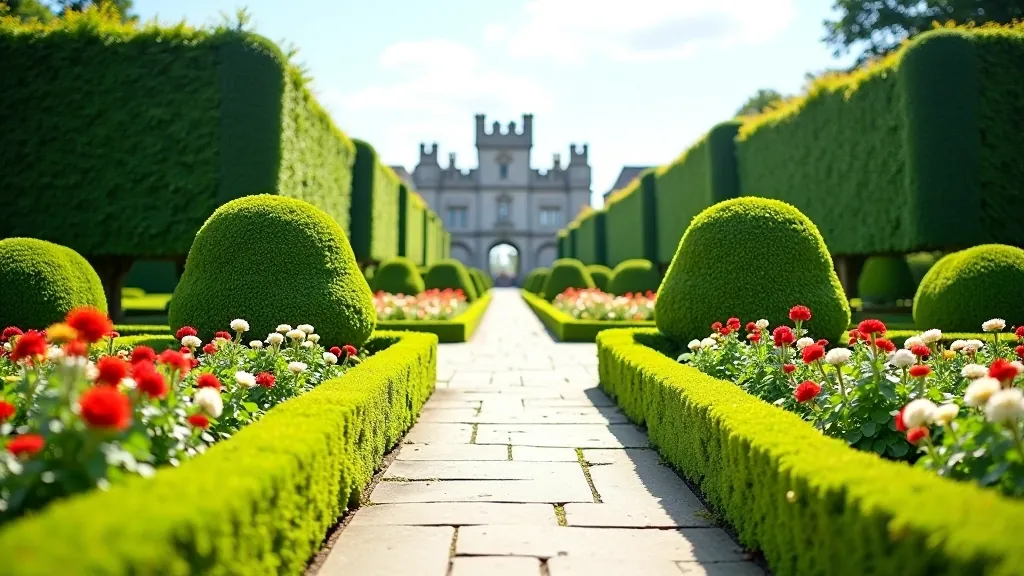
Moving away from the castle, you'll enter the formal gardens. This isn't wild nature — it's a carefully designed space that shows how people wanted to arrange and display plants. The gardens were originally laid out in the Victorian era and have been maintained in that style ever since.
You'll walk past symmetrical flower beds, hedge mazes (small ones, not the confusing kind), and specimen trees planted as focal points. The stone pathways are wide enough for comfortable walking, and there are benches positioned at the best viewpoints. If you've got mobility concerns, this section is particularly friendly because the paths are level and the pacing is yours to control.
The gardens are maintained by a dedicated team, and it shows. Everything's pruned, weeded, and cared for. If you visit in spring or early summer, the flowering displays are genuinely impressive. Even in winter, the evergreen structure and bare tree forms have their own beauty.
This guide is for informational purposes and describes conditions as they typically exist. Grounds, facilities, and accessibility features can change seasonally or due to maintenance work. We recommend checking the official castle website or calling ahead before your visit to confirm opening hours, any ongoing renovations, and current accessibility accommodations. Weather conditions also affect path conditions — after heavy rain, some sections may be muddy or slippery, so appropriate footwear is important.
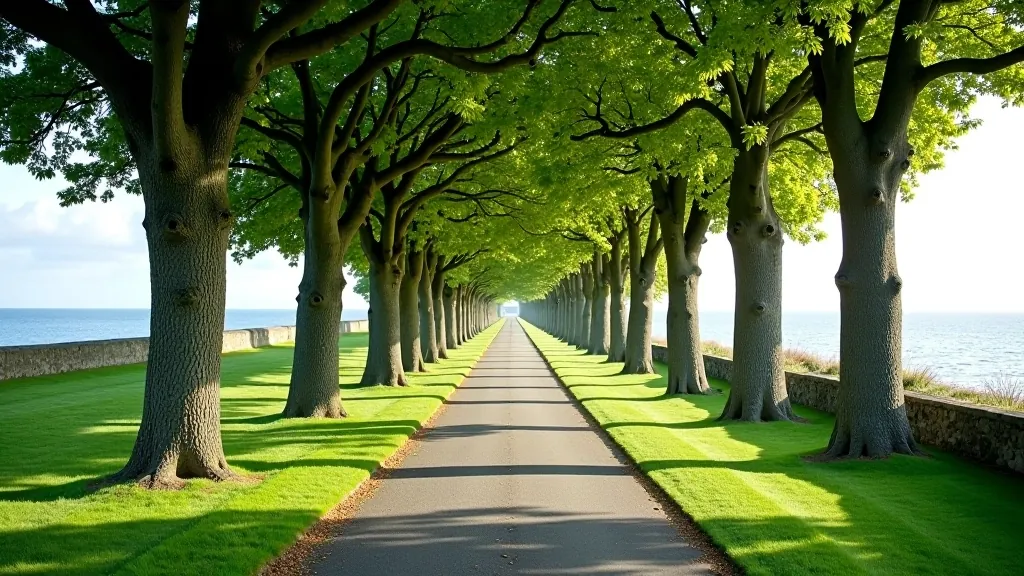
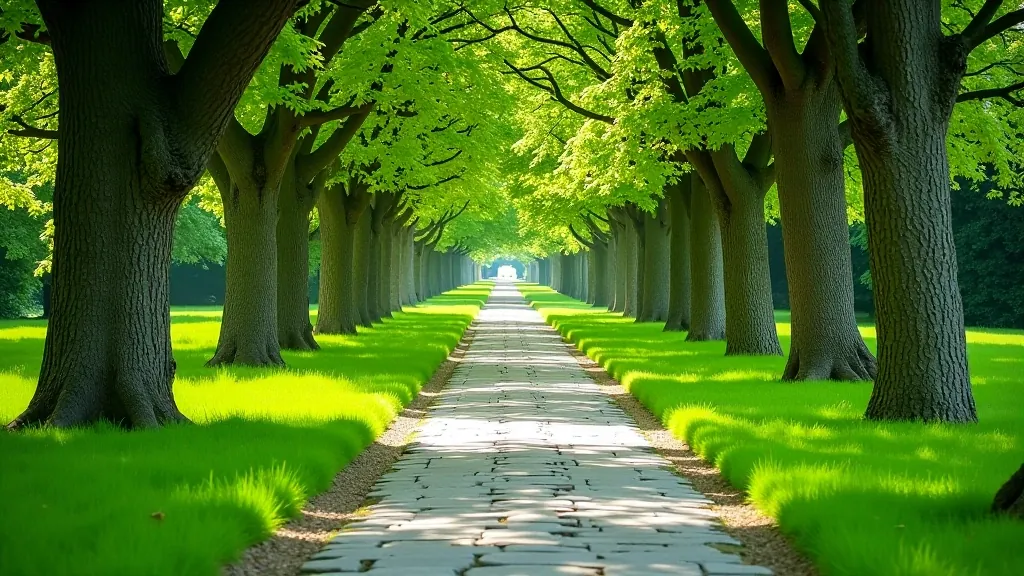
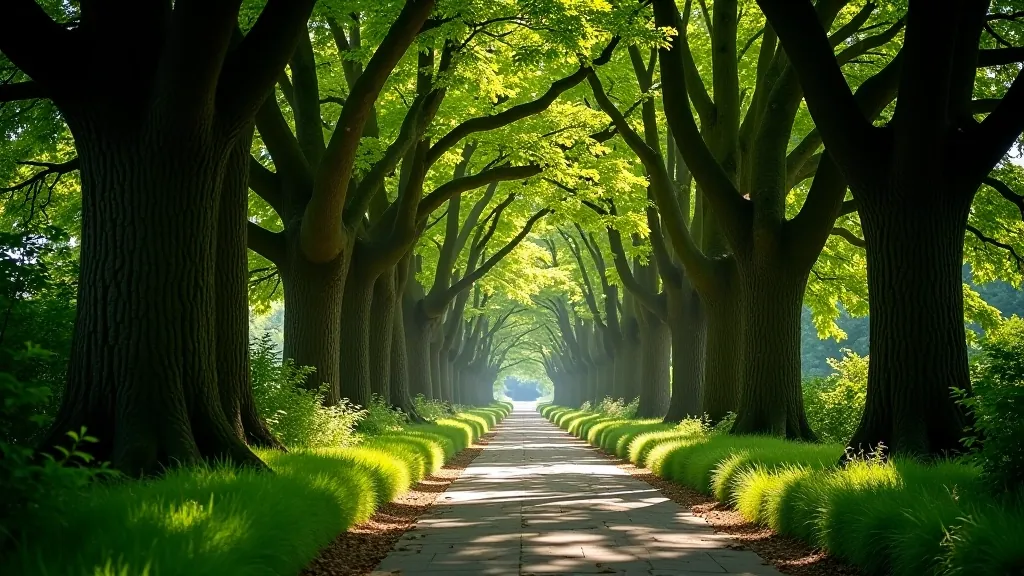
Beyond the formal gardens, the walk continues through older woodland. These aren't planted trees — they've been here for centuries, some of them. You'll recognize them by their size and the way they grow — big, spreading branches that create natural tunnels of shade.
Walking under these trees is genuinely different from the open garden sections. It's quieter, cooler, and you feel more immersed in nature while still being in a managed space. The paths are well-marked with small stone markers, so there's no risk of getting lost. This section is about 30 minutes of gentle walking through dappled light and woodland atmosphere.
Several trees have information plaques identifying them by species and approximate age. One oak is estimated to be over 400 years old — you can actually stand next to something that was already mature when the castle underwent major renovations. That's the kind of perspective that makes you think differently about time and history.
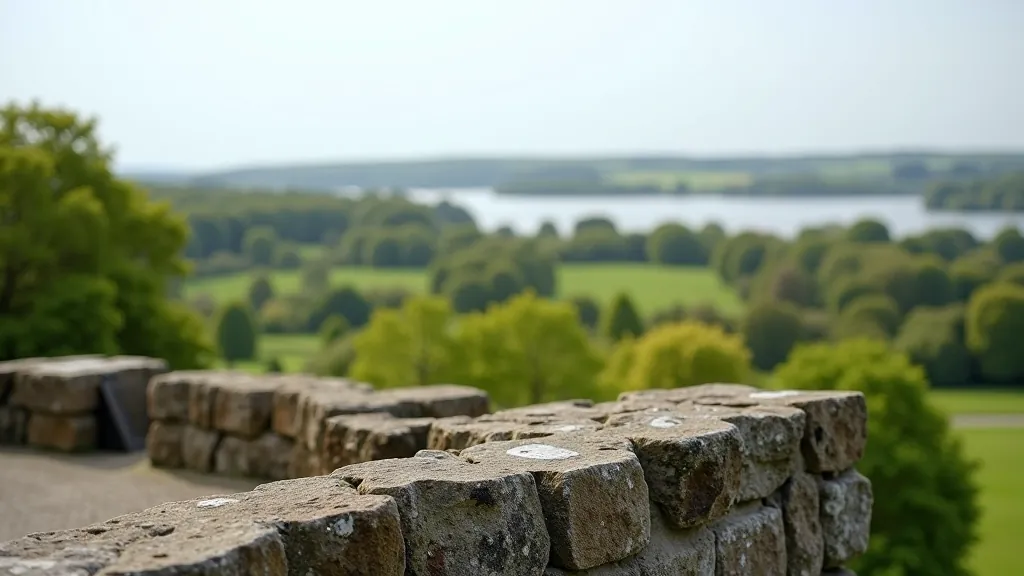
The route deliberately includes several elevated points where you can stop, catch your breath, and actually look at the landscape. There's a reason these spots were chosen — they offer the best views of the castle from a distance, showing how it sits within the broader landscape. You get perspective that you can't see from ground level.
At each viewpoint, there are stone or wooden benches. Some are shaded by trees, others are in open sun — you can choose based on what you want that day. We'd recommend spending at least 10-15 minutes at the main viewpoint. Bring water and maybe a snack. This is a good place to just sit and observe, not rush.
The castle grounds include about six main rest areas, so you're never more than 20 minutes walk from somewhere to sit. If you need to take a longer break or if someone's having a difficult time walking, there's always an option to rest comfortably and then continue when you're ready.
The complete loop is approximately 2.5 kilometers (1.5 miles) and takes 90 minutes at a comfortable pace with stops for looking around and reading information plaques. You can shorten it to 45 minutes by skipping the woodland section.
Paths are mostly paved or well-maintained gravel. Some sections have gentle slopes but nothing steep. The castle provides mobility aids and accessible facilities. Wheelchairs can access about 70% of the route with planning.
Spring and early autumn offer the best combination of pleasant weather and fewer crowds. Summer can be hot and busy. Winter is quieter but can be muddy. Visit on weekday mornings for the most peaceful experience.
Comfortable walking shoes with good grip, a light jacket (weather changes quickly), water bottle, and sunscreen if it's sunny. Binoculars are useful for reading distant plaques. A small camera is fine if you want photos.